

Every WISP backhaul hop eventually forces the same decision: file for a licensed microwave link and wait for the paperwork, or light up an unlicensed point to point radio this week and live with whatever else shares the band. The licensed vs unlicensed backhaul choice is less about radio quality than about rights: who may use the channel, who must move when there is interference, and how long it takes before you can transmit. This guide sets out what the FCC rules actually give you on each side.
What is the difference between licensed and unlicensed backhaul?
Licensed backhaul runs on Part 101 microwave channels that are coordinated with nearby users and assigned to your link, so the FCC rules protect it from later interference. Unlicensed backhaul runs under Part 15: no filing and fast deployment, but no protection, and you must accept interference from other users of the band.

Licensed vs unlicensed backhaul at a glance
The table compares the two on the points that decide most WISP hops. It describes the rules, not any particular radio; capacity, range and fade margin come from the path design, which our guide on how to plan a point to point wireless link works through.
| Factor | Licensed (Part 101) | Unlicensed (Part 15) |
|---|---|---|
| Right to the channel | Coordinated and assigned to the licensee | No right to any frequency |
| Interference | Protected by prior coordination; disputes go to the FCC | Must accept interference from other users |
| Before you transmit | Path engineering, coordination notice, application | Certified equipment; no filing |
| Lead time | Coordination and filing first; the notice period is 30 days | As soon as the radios are mounted |
| Best fit | Core hops, tower-to-tower trunks, links you cannot lose | Short hops, temporary links, quiet rural paths |
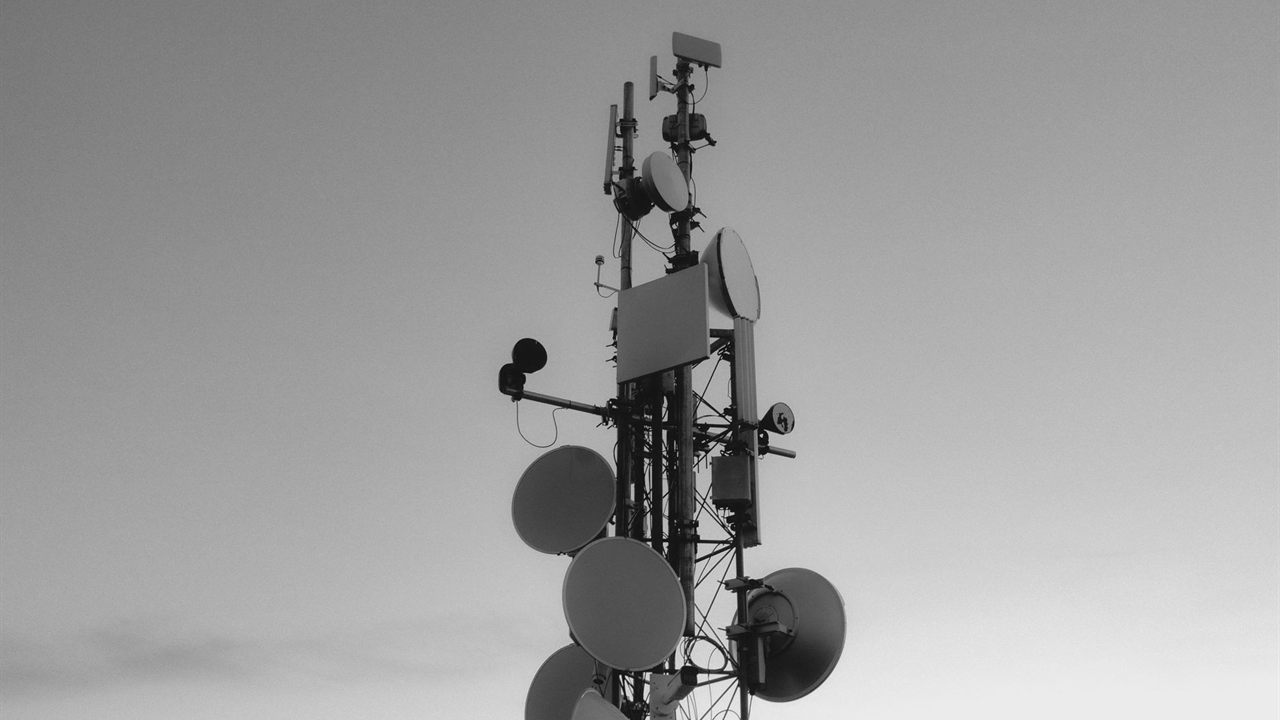
How a licensed microwave link is coordinated
Part 101 is the FCC rule part for fixed point to point microwave. Under 47 CFR 101.103, each frequency is normally assigned to a single applicant in a service area, and a new link must be prior coordinated with existing licensees and earlier applicants whose systems could affect it or be affected by it. Coordination must be finished before the application is filed.
The coordination notice is detailed. It lists both station coordinates, frequencies and polarizations, transmitter power and modulation, antenna models, gains and centerline heights, and the path azimuth and distance. That is why a licensed microwave link starts with a surveyed path, not a guess at heights.
The 30-day notice period
Parties notified have 30 days to respond in writing if they see a potential conflict. If no response arrives within 30 days, the applicant is treated as having made reasonable efforts and may file. An expedited period can be requested, but the rule expects the notifying party to obtain concurrence from those affected.
Conditional authority
In listed bands, including segments at 6, 11, 18 and 23 GHz, 47 CFR 101.31(b) lets an applicant operate while the application is pending, once it has filed and can certify several conditions: coordination completed, no rule waiver needed, the tower cleared by the FAA or within the stated height exemption, no significant environmental effect, and the site outside listed border and protected zones.
Unlicensed point to point: speed with no protection
Unlicensed radios operate under Part 15, and 47 CFR 15.5 spells out the bargain. Operators have no vested right to any frequency. A device must not cause harmful interference, and it must accept interference from licensed stations, other unlicensed devices and industrial equipment. If the FCC notifies the operator that a device is causing harmful interference, it must stop until the problem is fixed.
In exchange, an unlicensed point to point link needs no coordination notice and no application. If the path is clear and the radios are certified, it can carry traffic the day it is aligned. The band rules still apply: power and antenna gain limits differ by band, and the 5 GHz point to point power rules are covered in the planning guide linked above, so they are not repeated here.

The middle ground: registered and shared bands
Some FCC rules sit between full Part 101 coordination and Part 15 operation. Describe them by what the rule says, not by a marketing label:
- 70 and 80 GHz: a nationwide non-exclusive licence with each link registered, where earlier registered links are protected from later ones. Our point to point planning guide covers the registration rules and rain fade.
- CBRS, 3550 to 3700 MHz: under 47 CFR Part 96, General Authorized Access devices register with a Spectrum Access System, have no expectation of protection from other General Authorized Access users, and must accept interference from Priority Access licensees and incumbents. Priority Access licences in 3550 to 3650 MHz are applied for separately.
- 6 GHz unlicensed standard power: under 47 CFR 15.407(k), standard power access points and fixed clients must check an automated frequency coordination system before transmitting. It sets exclusion zones around fixed microwave receivers in 5.925 to 6.425 and 6.525 to 6.875 GHz, so licensed links there are protected by database.

Interference, availability and capacity
Coordination protects a licensed link from new co-channel links that would exceed permissible interference. It does not protect it from rain, misalignment or a blocked path. Availability is still set by fade margin, which is a design question for either kind of link.
An unlicensed hop can run for years without trouble on a quiet rural path, and then degrade when someone else lights up the same channel on a nearby tower. Nobody has to move for you. Practical defences are narrow-beam antennas, a site scan before the install and another after, channel planning with your own access points, and a fallback route for traffic that matters. The trade-offs between wide and narrow patterns at the access layer are covered in our guide to sector vs omni antennas for WISPs.
Choosing licensed or unlicensed for each hop
- Rank the hop. A trunk that carries a whole tower’s subscribers justifies coordination; a spur to one building may not.
- Scan both ends. A crowded unlicensed band at either site tips the decision toward licensed.
- Check the schedule. If the link must carry traffic before coordination and filing can be finished, start unlicensed and plan the licensed replacement.
- Check the structure. Before adding any dish, confirm wind load and mounting space with the tower owner. Our guide to guyed vs self-supporting towers covers the structural side.
- Keep the records. Coordinates, heights and antenna models go into a licensed filing anyway; record them for unlicensed links too.
Where to find backhaul radios and antennas
The Bursma point to point radios category lists backhaul radios, and the wireless antenna category, towers category and wider Broadband and WiFi division cover the antennas and structures around them. For pricing and availability, ask your sales representative through the Bursma contact page. If you build networks for a living, open a Bursma dealer account.
Frequently asked questions
Is licensed backhaul more reliable than unlicensed?
Not automatically. A licensed link is protected from later co-channel links, but rain, alignment and path clearance affect both. Licensed links are more predictable because the channel is coordinated and assigned.
How long does it take to license a microwave link?
It varies with the path and the coordinator. The rule builds in a 30-day notice period before filing, and conditional authority in listed bands can allow operation once the application is filed.
Do I need a licence for a 5 GHz point to point link?
No. 5 GHz U-NII radios operate under Part 15 without an individual licence, provided the equipment is certified and run within the band’s power and antenna rules. The trade-off is no interference protection.
Is CBRS licensed or unlicensed?
Both tiers exist. Priority Access is licensed. General Authorized Access needs no individual licence but must register with a Spectrum Access System and accept interference from higher tiers.