

Once a job calls for fixed cameras, the next decision is the housing. Turret vs dome camera is the comparison that comes up most, because the two look alike on a spec sheet and often share the same sensor and lens. The differences show up on the wall: how each handles infrared at night, how it stands up to a determined vandal, how easily it can be re-aimed, and how much it advertises itself. Bullets enter the picture for long, narrow views.
Turret vs dome camera: which should I install?
Choose a turret where night images matter and the camera sits out of reach, because its open ball design has no bubble to reflect infrared. Choose a dome where people can reach or strike the camera, or where you want to hide which way it points. Many installers use domes indoors and turrets on eaves and soffits.
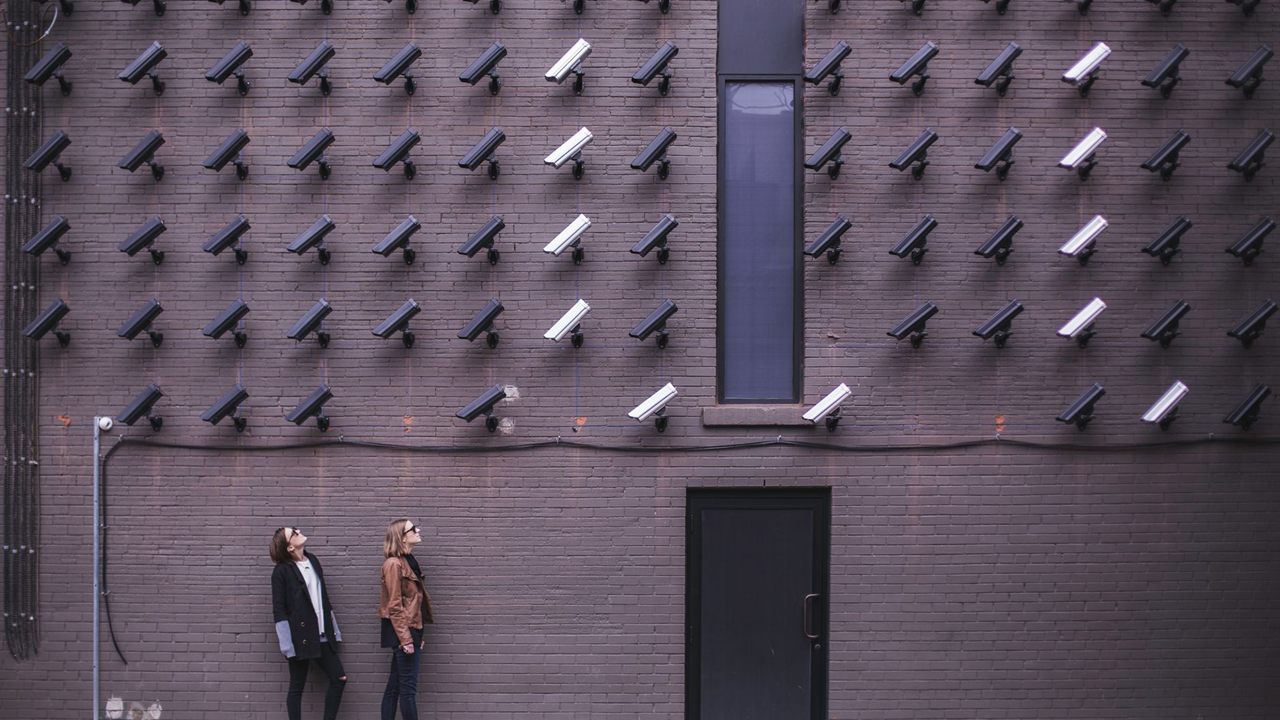
Turret vs dome camera at a glance
The table compares the three common fixed camera housings. It describes typical designs; the spec sheet of a given model sets its actual ratings.
| Feature | Dome | Turret | Bullet |
|---|---|---|---|
| Housing | Lens behind a clear bubble | Open ball in a socket, no bubble | Tube on an arm, sun shield |
| Night infrared | Glare risk if the bubble is dirty or the seal is poor | No bubble to reflect infrared | No bubble; often longer IR reach |
| Vandal resistance | Best, with a rated hardened shell | Moderate; ball can be knocked | Weakest; easy to grab or turn |
| Re-aiming | Open the cover to adjust | Loosen and turn the ball | Adjust the arm |
| Visibility | Discreet, direction hidden | Visible, direction obvious | Most visible deterrent |
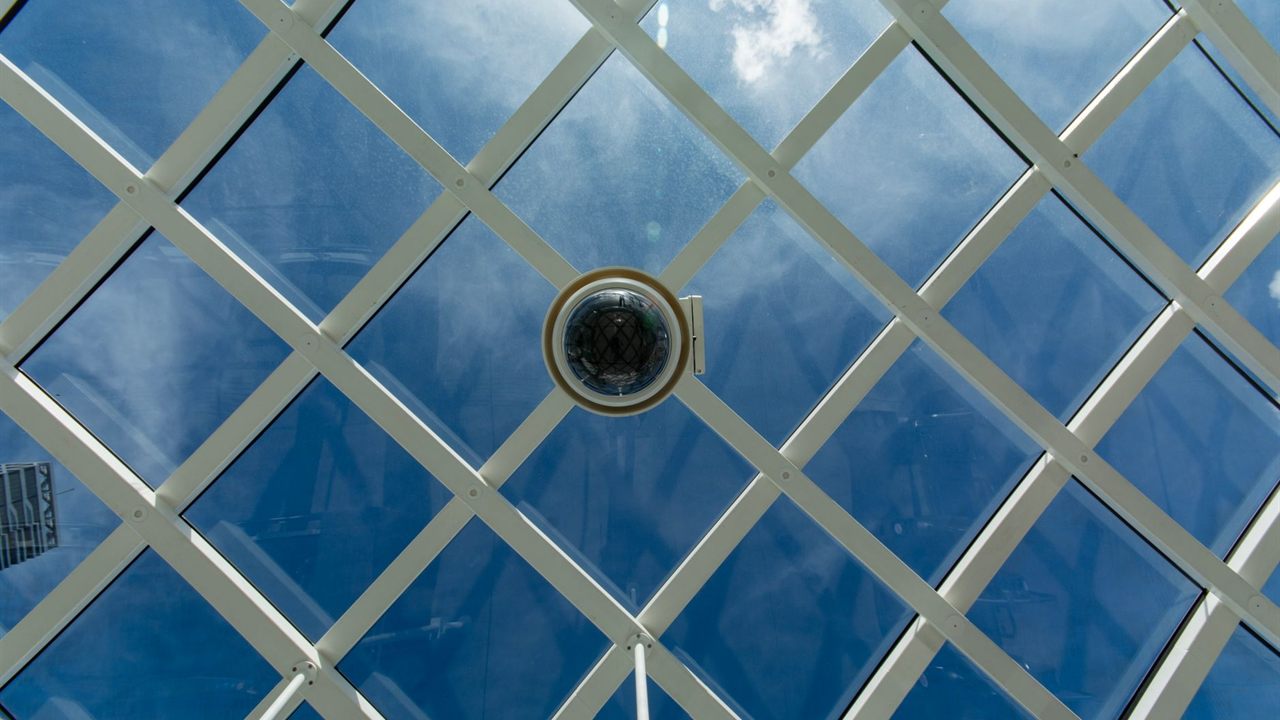
How a dome camera is built
A dome puts the camera module on an adjustable mount under a clear or tinted bubble. The U.S. Department of Homeland Security’s Video Security Systems Technology Handbook notes that domes protect the equipment from the elements, help conceal the direction the camera is facing, and can come with vandal-resistant hardened shells.
The same handbook warns that the optical dome must handle temperature extremes without turning brittle or cloudy from sun and ultraviolet exposure. That is the trade: the bubble that protects the lens is also an extra surface between the lens and the scene, and it has to stay clean and clear for the life of the camera.

How a turret camera is built
A turret, often called an eyeball camera, seats the lens in a ball that turns in a shallow socket on the base. There is no cover over the lens. The infrared LEDs sit around the lens on the face of the ball, separated from it, so the lens never looks through a surface that its own illuminators light up.
Aiming is quick: loosen the lock, turn the ball, tighten. That makes turrets easy to set on a wall or a soffit, and easy to re-aim later when the client moves a gate or adds a parking row. The other side of it is that a turret knocked hard by a ladder or a ball can shift its view.

Night vision: why domes get infrared glare
Most fixed cameras switch to monochrome at night and light the scene with infrared LEDs. On a dome, some of that light can bounce off the inside of the bubble straight back into the lens, which shows up as haze, a washed-out center or a bright ring. Installer forums trace most cases to a few causes:
- The lens seal ring is not pressed against the inside of the bubble after aiming, so light leaks across.
- Dirt, water spots or scratches on the bubble scatter infrared. Wiping with a dry cloth can scratch it.
- A nearby wall, eave or downspout in the frame throws infrared back at the camera.
A well-installed, clean dome performs fine at night. A turret simply removes the bubble from the equation, which is why many installers prefer it on outdoor eaves where cleaning is a ladder job.

Vandal resistance and mounting height
Where the public can reach the camera, the dome usually wins. A low, smooth bubble is hard to grab, a hardened shell resists blows, and a viewer cannot tell which way the lens points. Look for an IK impact rating and tamper-resistant screws on the spec sheet for stairwells, parking garages, transit areas and school corridors.
Mounting surface matters for every style. Domes sit flush on a ceiling or partly recessed into it, while turrets and bullets usually mount on a wall or soffit, ideally over a junction box that hides the cable and the connection from weather and tampering.
Out of reach, under an eave or high on a warehouse wall, a turret’s exposure matters less, and its night performance matters more. Bullets are the easiest of the three to grab, cover or turn, so keep them high.
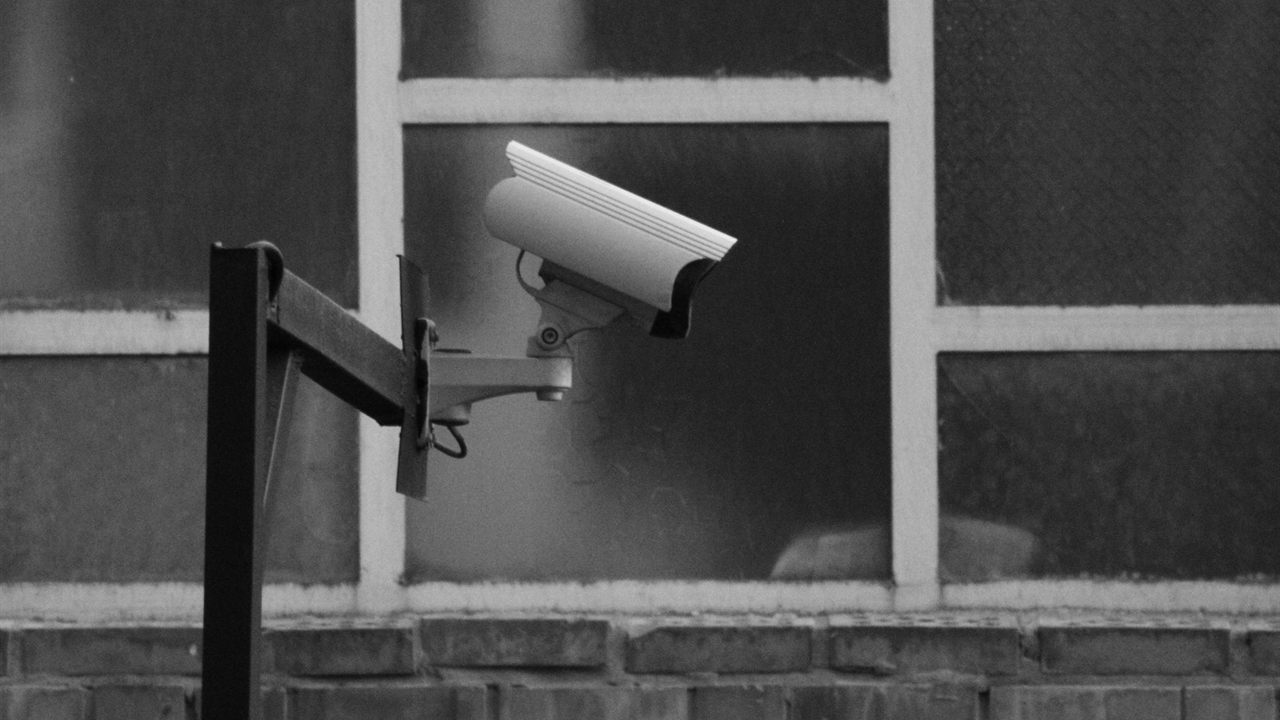
Where bullet cameras fit
When comparing bullet vs dome vs turret camera options, the bullet is the specialist. Its long body takes longer lenses and more infrared, and its sun shield helps against glare and rain. It suits long, narrow views such as a driveway, a fence line or a loading dock, and its obvious shape works as a visible deterrent.
Housing style does not decide resolution, lens or analytics. The same sensor and varifocal lens ranges, such as 2.8 to 12 mm, appear across all three styles, so pick the housing for the mounting position and the sensor for the image.
Choosing security camera styles by location
- Indoor ceilings, retail floors, lobbies: dome, for discretion and a ceiling-friendly profile.
- Outdoor eaves and soffits: turret, for clean night images and easy aiming.
- Within reach of the public: vandal-rated dome.
- Long driveways, fence lines, lots: bullet or a long varifocal turret.
- Corners and walls: any style, with the right corner or wall bracket and a junction box.
Plan the back end at the same time: DVR vs NVR sets whether the cameras are analog or IP, the PoE budget for IP cameras covers switch power, and Cat5e vs Cat6 for security cameras covers the cable.
Where to buy security cameras for installers
The Bursma security cameras category lists all three styles, including the CSIVLEDT1HG infrared varifocal turret camera, the CSIOID4 indoor and outdoor vandal dome IP camera and the CSIO2B2 1080p IP bullet camera. Recorders and wiring are in the Bursma security and surveillance division.
For pricing and availability, ask your sales representative. If you install for a living, apply for a Bursma dealer account, or contact the Wyoming, MI branch or the Columbus, OH branch.
Frequently asked questions
Is a turret camera better than a dome camera?
Neither is better everywhere. A turret usually gives cleaner night images and easier aiming; a dome resists vandalism better and hides where it points. Choose by mounting position and reach.
Why does my dome camera look foggy at night?
Infrared is reflecting inside the bubble. Check that the seal ring around the lens touches the bubble, clean the bubble with a soft cloth and a suitable cleaner, and move the view away from close walls or eaves.
Can turret cameras be used outdoors?
Yes, if the model is rated for outdoor use. Check its weather rating on the spec sheet, and mount it where people cannot reach the ball and turn it.
Are dome cameras vandal proof?
No camera is vandal proof, but a vandal-rated dome with a hardened shell, an IK impact rating and tamper-resistant screws is the hardest of the three styles to damage or redirect.