

A fresh box of network cable should pay out smoothly for its whole length, yet many installers fight loops, twists and kinks from the first few feet. Knowing how to pull cable from a box comes down to the type of box, where it sits, how hard you pull and what you do with the slack. This guide covers each, including why Ethernet cable box kinks happen and how to pull several boxes at once.
How do you pull cable from a box without kinks?
Set the box on the floor near the start of the run with the payout opening facing the pull, and draw the cable straight out of the tube. Never pull at an angle across the opening, jerk it or push cable back in. Keep the tension low, stop to clear any loop before it tightens, and cut off any kinked length.

Reel in a box cable vs figure-8 boxes
Bulk cable boxes, typically about 1,000 feet according to the Fiber Optic Association’s installation guide, come in two broad designs, and they behave differently:
- Reel in a box: a spool inside the carton turns as you pull, and the cable leaves through a hole or tube in the side.
- Figure-8 coil in a box: the cable is layered in a figure-8 pattern around a payout tube and pulled from the centre while the coil stays still.
| Feature | Reel in a box | Figure-8 coil in a box |
|---|---|---|
| What moves | The spool turns inside the carton | Nothing; the cable lifts off the coil |
| Twist on payout | Little, if the spool turns freely | Little; the loops cancel each other |
| Main risk | Overspin and loose turns when the pull stops suddenly | Snags if cable is pushed back into the tube |
| Best handling | Steady pull, slow down before stopping | Straight pull from the tube, never refill it |
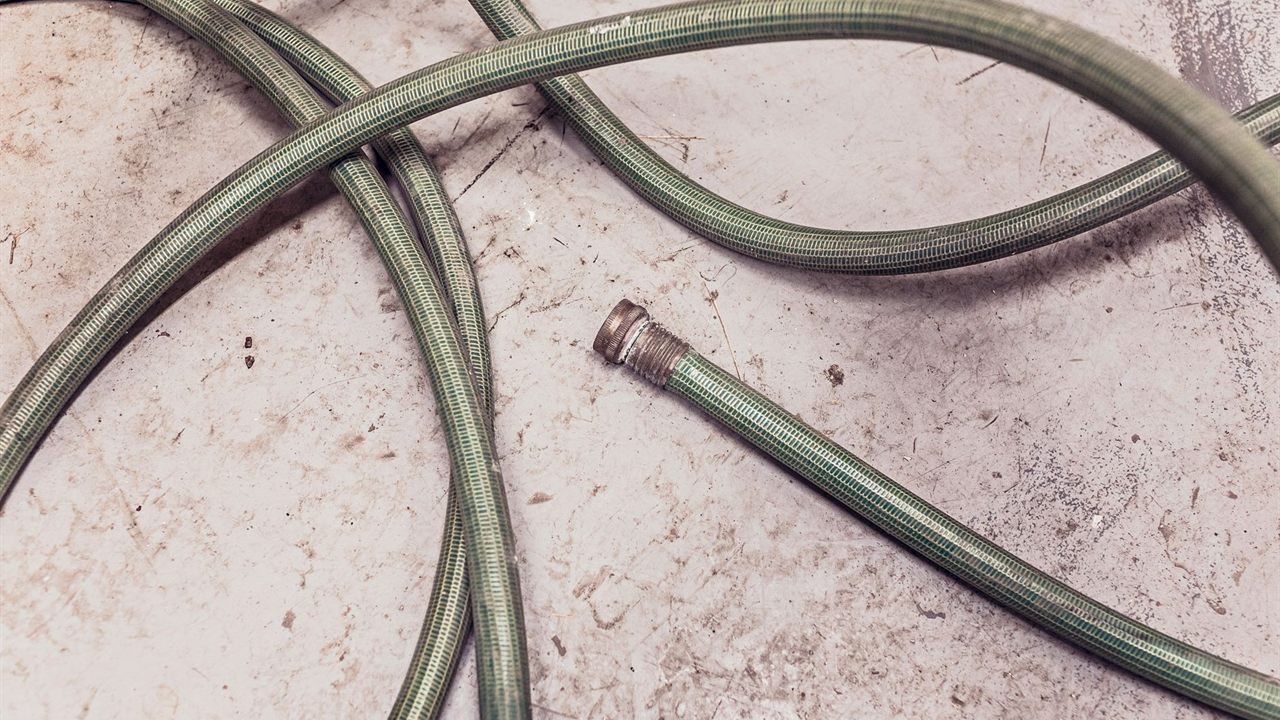
Why cable twists and kinks coming out of the box
Pull a cable straight off a coil that does not turn and you add a twist with every turn that comes off. A patent describing payout from a stationary box puts it plainly: for each circumference of cable pulled out, a full twist is imparted to the cable. When the cable goes slack, that twist springs into a loop, and a loop pulled tight becomes a kink.
The two box designs avoid this in different ways. A reel in a box lets the spool turn, so the cable comes off the side of the spool without twisting. A figure-8 coil puts a twist in one direction on one loop and the opposite direction on the next, so they cancel. Both go wrong the same way: a spool that sticks, a box laid on the wrong side, or a pull at a sharp angle across the opening.
Kinks are not cosmetic. The Fiber Optic Association’s guide warns that kinking a cable by letting it get twisted or pulled around sharp corners can cause permanent damage, and damaged pairs show up as test failures. Our guide on how to test an Ethernet cable covers proving a suspect run.

How to pull cable from a box, step by step
- Place the box on the floor at the start of the run, on the side the carton marks, with the payout opening facing the direction of pull.
- Pull straight out of the tube, never sideways across the opening. Draw the cable up and away along the path it will take.
- Keep it moving steadily. Ease into the pull, avoid jerks and slow down before stopping, so a spool does not overspin.
- Watch the box, not just the far end. On a long run, a second person at the box can stop the pull the moment a loop forms.
- Clear loops by unlooping them while they are still open. Never pull a loop straight.
Note the footage marks printed on the jacket at the start and end of each run. They tell you how long the run is and how much is left in the box.

Pulling several boxes at once
Pulling a bundle saves trips. The Fiber Optic Association’s guide suggests you gather up several boxes and pull a bunch of cables at once. To keep it orderly:
- Line the boxes up side by side, all facing the pull, so each cable leaves its tube straight.
- Label every cable at its box end and on the pulling end before the pull starts. Mark both ends, as the FOA guide advises; our guide on how to label network cables covers the scheme.
- Stagger and tape the ends into one head so the bundle cannot catch, or tie them to a pull string.
- Pull slowly enough that every box keeps up. One stuck box puts the whole load on that one cable.
Where the bundle goes into conduit, our guide on how to pull cable through conduit covers the pulling head, lubricant and fill.

Tension and bend radius limits during the pull
Twisted pair cable is easily damaged by force. The University of Houston’s horizontal cabling specification sets the maximum pull force for 4 pair horizontal twisted pair cable at 110 N (25 lbf), and a minimum bend radius of four times the cable diameter under no load. It also notes that the bend radius during installation is typically greater than after the cable is installed, to limit deformation as cables pass around corners.
| Problem point | What happens | Fix |
|---|---|---|
| Box mouth | Cable bends sharply across the opening | Turn the box to face the pull |
| First corner or joist | The bundle drags over an edge | Feed it by hand or add a smooth support |
| Long pull | Tension builds past the limit | Pull to an intermediate point, then continue |
| Bundle ties | Tight ties crush the jacket | Apply hook and loop ties loosely |
Once the cable leaves the box, support it on hooks or tray; see J hooks vs cable tray. Choose the jacket for the space with CMR vs CMP cable explained.
Coiling slack and cutting off kinked ends
Leave a service loop for re-termination. The Houston specification calls for at least a 3 foot loop on horizontal cables, located where the run transitions to cable tray. Lay slack in a figure-8 or in loose, wide loops; winding it round and round in one direction puts twist back in.
- Cut off the lead: the first few feet out of the box and any end that was taped into a pulling head has taken the strain. Trim back to clean, round jacket before terminating.
- Cut out kinks: a sharp kink in a horizontal run is not something to straighten and hope. The Houston specification also says copper cable splicing is unacceptable, so a kinked run is replaced, not joined.
- Do not refill the box: pushing leftover cable back into a figure-8 tube disrupts the coil and causes snags. Coil the remainder loosely and tie it.
Solid conductor cable belongs in the walls and stranded in patch cords, as stranded vs solid Ethernet cable explains.
Where to find bulk cable and pulling supplies
The bulk wire and cable category lists bulk cable, and the wire and cable management category lists products that organise runs, both in the wire, cables and connectors division. For pricing and availability, ask your sales representative through the Bursma contact page or the Columbus, Ohio branch, or open a Bursma dealer account.
Frequently asked questions
Can you put Ethernet cable back in the box?
Not into a figure-8 box. Pushing cable back into the payout tube disrupts the coil and causes snags and knots. Coil leftover cable loosely and tie it instead.
Is a kinked Ethernet cable still usable?
A sharp kink can permanently damage the pairs. Cut the kinked section out of the length before it goes in, or replace an installed run that fails testing.
Should the box be on its side or standing up?
Follow the carton’s markings. Its printed instructions show which side goes down and where the payout point is, so the cable leaves straight.
How do you straighten cable that came out twisted?
Lay it out and let the loops relax, then unloop each one by hand. Do not pull a loop straight; that turns it into a kink.