

An outdoor antenna is the tallest metal object on most houses, and the coax from it is a direct path into the living room. Knowing how to ground a TV antenna properly protects the equipment and the building from static buildup and surges from nearby lightning, and it is what the inspector checks. This guide covers what NEC Article 810 asks for, the parts, and the order of work.
How do you ground a TV antenna?
To ground a TV antenna, bond the metal mast with a copper conductor, put a listed antenna grounding block on the coax where it enters the building, and run both conductors as straight as practicable to the building’s grounding electrode system. Never use a separate, unbonded rod. NEC Article 810 sets the rules; the local inspector decides.

Why antenna grounding matters
Wind, rain and snow build a static charge on an antenna and mast, and a lightning strike nearby can induce a large surge on the coax. Grounding gives that energy a short, low-resistance path to earth outside the living space instead of through the TV, preamp or splitter.
Be honest with customers about the limits. Grounding reduces the risk from static and nearby strikes; it does not make an antenna survive a direct hit. It also keeps the antenna system at the same potential as the electrical system, which is the main point of bonding to the building ground rather than to an isolated rod.

What NEC Article 810 requires
Antenna systems are covered by Article 810 of the National Electrical Code, published by NFPA as NFPA 70, the National Electrical Code. Section numbers and some wording change between editions, and each jurisdiction adopts its own edition, so treat the summary below as an overview and check the edition your inspector enforces.
- The metal mast and any metal structure supporting the antenna must be grounded or bonded.
- Each lead-in from an outdoor antenna needs a listed antenna discharge unit, located outside or inside as near as practicable to where the lead-in enters the building, and away from combustible material.
- The bonding conductor must be copper or another corrosion-resistant conductive material, securely fastened, run in as straight a line as practicable, and protected where it is exposed to physical damage.
- The conductor connects to the building’s grounding electrode system or one of the other bonding points the code lists.
- If a separate ground rod is used for the antenna, it must be bonded to the building’s power grounding electrode system.
The authority having jurisdiction makes the final call. Where the work involves bonding to the building’s grounding electrode system or the service equipment, use a licensed electrician.
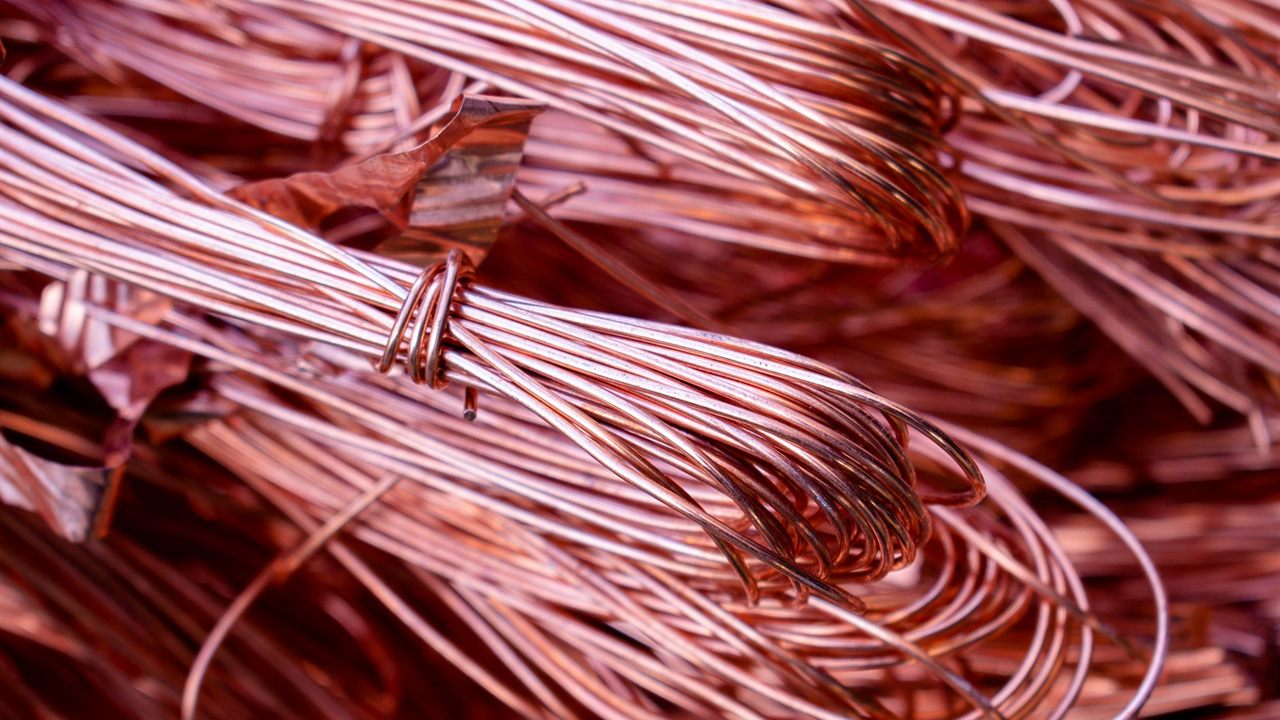
Antenna grounding components and sizes
The parts are few and simple, and each one has a specific job. Recent editions set the minimum bonding conductor size as shown below; confirm against your local edition before you buy.
| Component | Job | What to look for |
|---|---|---|
| Antenna grounding block | Bonds the coax shield at the entry point | Listed unit, F-type ports, ground lug |
| Mast bonding conductor | Bonds the mast to the building ground | Not smaller than 10 AWG copper or 17 AWG copper-clad steel or bronze |
| Ground clamp or lug | Terminates the conductor | Listed for the conductor and the surface |
| Bonding jumper to extra rod | Ties a separate rod to the building system | Not smaller than 6 AWG copper, by an electrician |

How to ground a TV antenna, step by step
Plan the route before you mount anything. The best installs put the antenna and the cable entry on the side of the house nearest the electrical service, so both conductors stay short.
- Choose a mast location well clear of overhead power lines, far enough that a falling antenna or mast cannot reach them.
- Mount the mast and antenna, then attach a listed ground clamp to the bare metal of the mast below the antenna.
- Run the mast conductor down the outside of the building in as straight a line as practicable, with gentle bends only, fastened along its length.
- Install the antenna grounding block on the coax where it enters the building, then run its conductor to the same bonding point.
- Have an electrician bond both conductors to the building’s grounding electrode system, the intersystem bonding termination or another permitted point.
- Seal the cable entry, connect the coax, and rescan channels to confirm nothing changed.

Antenna grounding block placement
The antenna grounding block is the discharge unit for coax lead-ins. Mount it outside or just inside the wall, as close as practicable to the entry point, and keep the conductor from the block to the bonding point short. A block halfway down a long attic run defeats the purpose.
Use a block rated for the frequencies you carry, and if the system has a mast-mounted preamplifier, make sure the block passes DC power to it. Our guide to choosing an antenna preamplifier covers where the power inserter goes, and the RG6 vs RG59 comparison explains why RG6 is the usual lead-in.
Antenna mast grounding
Antenna mast grounding is separate from the coax. The shield bonds at the grounding block, but the mast itself needs its own conductor. Clamp to clean, bare metal, and use hardware rated for outdoor exposure so the joint does not corrode loose.
The same rules apply whatever holds the mast up. Whether you use a roof tripod, a wall mount or a chimney mount, the support and mast are bonded together. For choosing between them, see roof tripod vs antenna mast.
Common grounding mistakes
- An isolated ground rod. A rod that is not bonded to the building ground creates a voltage difference between systems during a surge.
- A receptacle ground screw. An outlet’s equipment ground is not one of the bonding points the code lists.
- A gas line. Never use gas piping as a bonding point.
- Coils and sharp bends. Surge current does not like loops; cut the conductor to length instead of coiling the extra.
- Grounding the antenna but not the coax. Both the mast and the lead-in need bonding.
Where to buy antenna mounting and grounding supplies
Bursma stocks antenna masts, roof tripods, antenna mounts, outdoor TV antennas and coax for antenna lead-ins in the antenna, tower and satellite division. Dealers see their own pricing and stock in Shop Online after logging in. Installers can apply for a dealer account or contact our Columbus, Ohio branch.
Frequently asked questions
Do I need to ground a TV antenna?
NEC Article 810 requires the mast and the lead-in of an outdoor antenna to be grounded or bonded. Grounding also protects the equipment from static and nearby lightning surges. Your local inspector confirms how the rules apply.
Can I drive a separate ground rod for the antenna?
Only if that rod is bonded to the building’s grounding electrode system. Recent editions call for a bonding jumper of at least 6 AWG copper. Have an electrician make that connection.
What size wire do I use to ground an antenna mast?
Recent NEC editions require at least 10 AWG copper or 17 AWG copper-clad steel or bronze. Check the edition adopted where you work.
Does an attic antenna need grounding?
Article 810’s grounding rules are written for outdoor antennas and their lead-ins. Requirements for an attic install depend on the local code and inspector, so ask before you skip the grounding block.