

Once a hole is cut in a finished ceiling, moving it costs a patch, paint and an unhappy client. Good in ceiling speaker placement is decided at rough-in, with a tape measure, the room’s seating plan and a clear idea of what the speakers are for. This guide covers spacing for music zones, layouts for home theater, wall clearance and the framing checks to make before you cut.
Where should in-ceiling speakers be placed?
Place in-ceiling speakers at least 2 feet from walls and corners. For music in a room with an 8 foot ceiling, space them roughly 6 to 10 feet apart, wider as the ceiling rises. For home theater, put surrounds beside or slightly behind the main seat and overhead pairs in front of and behind it.
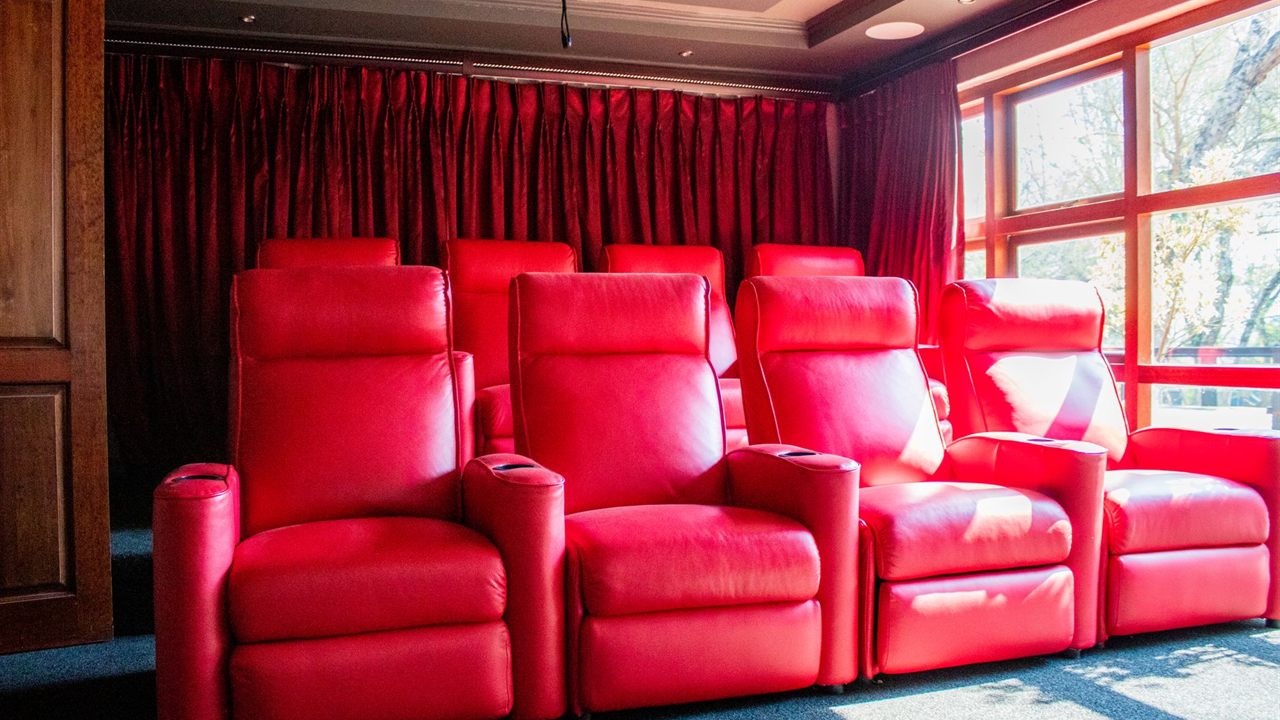
In ceiling speaker placement basics
Start by deciding the job the speakers do. A kitchen or open office needs even background sound everywhere people stand or sit, so the speakers form a grid. A home theater needs each channel to arrive from a specific direction relative to the main seat, so the seating plan sets every position.
Three rules apply to both:
- Keep speakers about 2 feet from adjacent walls and out of corners, where reflections pile up bass and muddy the sound.
- Line speakers up with lights, sprinkler heads and HVAC registers so the finished ceiling looks planned.
- Keep speakers clear of joists, ductwork and plumbing before you commit to a location.
In ceiling speaker spacing by ceiling height
Each ceiling speaker covers a circle at ear height. The circle grows as the distance from the ceiling to the listener’s ears grows, which is why in ceiling speaker spacing depends on ceiling height. A speaker with a 90 degree coverage angle in an 8 foot ceiling, heard by seated listeners with ears around 4 feet up, covers a circle about 8 feet across.
From that circle, you choose how much overlap you want:
- Edge to edge: centers spaced one full circle apart (about 8 feet in this example). Lightest coverage, fine for background music.
- Minimum overlap: centers about 1.4 times the circle’s radius apart (under 6 feet here). More even level as people move around.
- Center to center: centers one radius apart. The most even coverage, used where speech must be clear.
Raise the ceiling to 10 feet and the same speaker covers a much wider circle, so the grid opens up. Check the coverage angle on the speaker’s spec sheet, because narrower designs need tighter spacing.
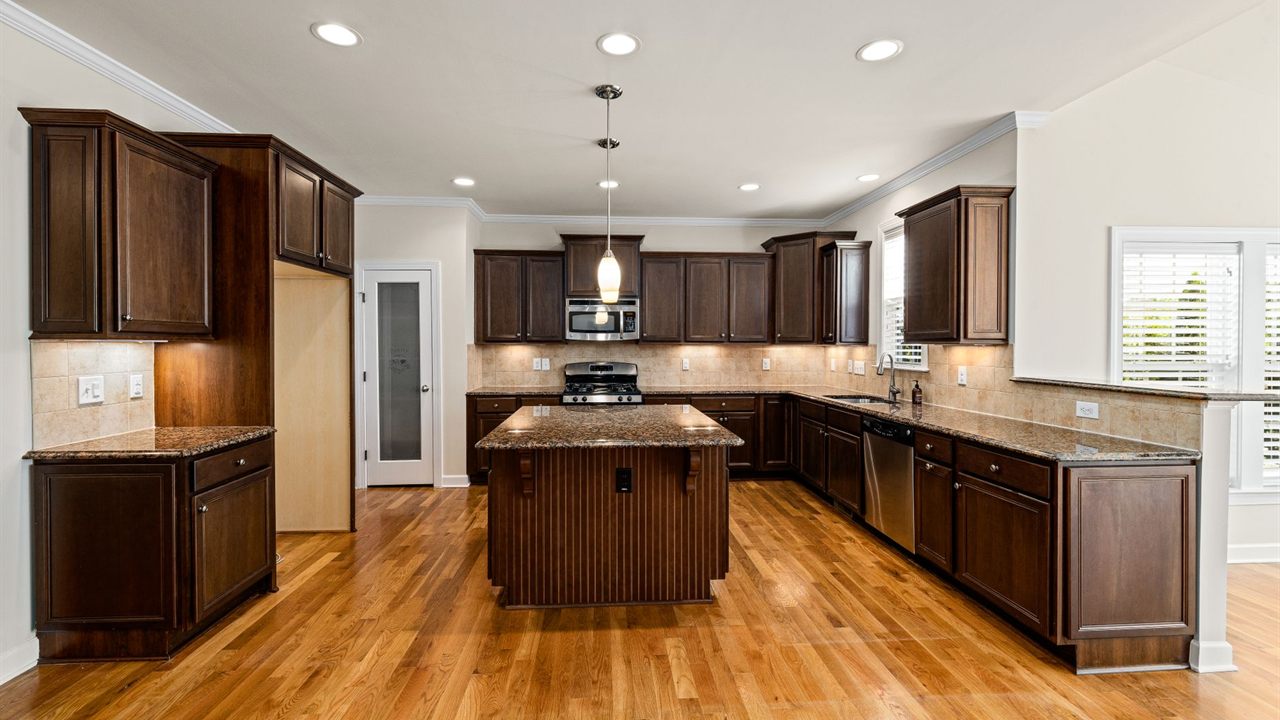
Layouts by room type
The table gives starting points that installers refine on site.
| Room | Layout | Starting spacing | Notes |
|---|---|---|---|
| Small room or bedroom | One stereo pair | 6 to 10 ft apart | Center the pair on the main listening area |
| Kitchen or great room | Grid of speakers | About one coverage circle apart | Follow the light grid; avoid the range hood |
| Home theater | Surrounds and overhead pairs | Set by seat position | Front speakers in the wall or screen wall if possible |
| Restaurant or retail | Even grid on one zone | Edge to edge or tighter | Often a 70V system with taps per area |
Open-plan homes need one more decision: where one zone ends and the next begins. Treat the kitchen, dining area and family room as separate zones when people use them at different volumes, and keep the boundary speakers a little farther apart so the zones do not fight each other. Sloped and vaulted ceilings need speakers with pivoting tweeters aimed back toward the seating.
Ceiling speakers for home theater
Ceiling speakers for home theater work best for surrounds and overhead channels. The front left, center and right channels should come from the screen wall when the room allows it, because sound that drops from above the screen pulls dialogue away from the picture. If the client refuses in-wall fronts, place ceiling fronts as close to the screen wall as clearance allows and aim pivoting tweeters at the main seat.
Surround positions
Side surrounds go slightly behind the main seat, about 1 to 2 feet back, and rear surrounds go behind the back row. Choose models with an angled baffle or pivoting tweeter so the sound points at the seats rather than straight down. Set the distance and level of every channel in the receiver after installation.
Overhead speakers
The CEDIA/CTA-RP22 immersive audio recommended practice describes upper speakers as generally sitting at least 25 degrees above the seated listener’s ear level, with formats calling for 20 to 45 degrees. It suggests at least four upper speakers and notes that lower ceilings need more of them. In practice, that usually means one overhead pair in front of the main seat and one behind it, lined up with or slightly inside the front left and right speakers.

Rough-in checks before you cut
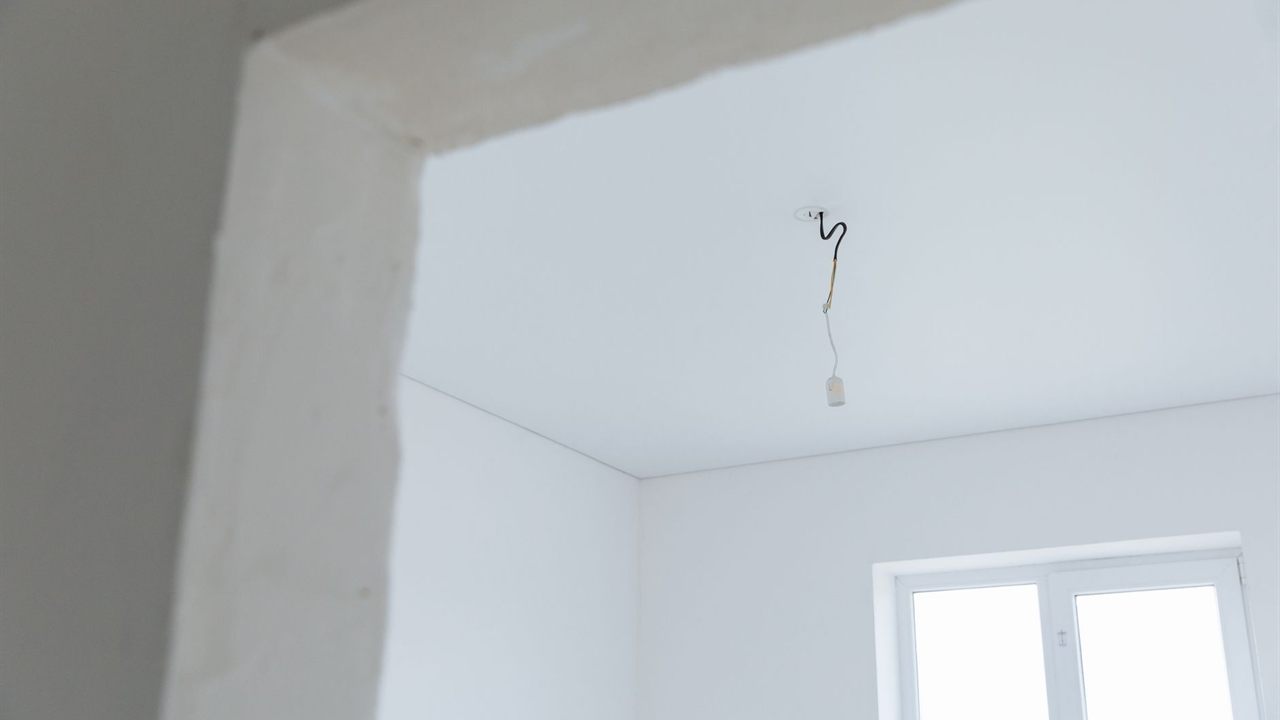
- Mark the seating and the screen on the floor, then transfer speaker centers to the ceiling with a plumb line or laser.
- Find joists, ducts and recessed light housings, and shift positions along the grid line to clear them.
- Check for fire-rated ceilings and insulation; use back boxes or enclosures where the assembly or the client’s privacy calls for them.
- Pull speaker wire from each location to the rack or volume control, and confirm the jacket rating for the space with the CMR vs CMP cable rating guide.
- Label both ends and leave enough service loop to drop the speaker in later.
Stock up on bulk speaker wire for rough-in before the drywall goes up.
Powering and controlling the speakers
A home zone with one or two pairs usually runs at 8 ohms from a receiver or a multi-channel amplifier. A long commercial grid usually runs on a 70V line, where each speaker gets a tap and one amplifier channel covers the whole area. Our comparison of 70V vs 8 ohm speaker systems explains how to choose.
Choose from multi-zone amplifiers or home theater receivers for power, and add in-wall volume controls in rooms where people want their own level. Because small ceiling speakers give up some low end, a subwoofer for in-ceiling systems fills it in.
Where to buy in-ceiling speakers
Bursma Distributing has supplied low-voltage dealers and integrators since 1947. The in-ceiling and architectural speakers category lists Sonance models, and the full Audio Video product division covers amplifiers, mounts and cables. Dealers see their own pricing and stock in Shop Online after logging in.
Ohio installers can reach the Columbus, Ohio branch at 614-299-9040. New to Bursma? Apply for a dealer account to order online.
Frequently asked questions
How far from the wall should in-ceiling speakers be?
Keep them at least 2 feet from adjacent walls and out of corners. Closer placement boosts and colors the bass and can put the speaker over a top plate or header.
How far apart should ceiling speakers be?
For a stereo pair in a typical room, 6 to 10 feet apart. For a grid, base the spacing on the coverage circle at ear height, which grows with ceiling height and the speaker’s coverage angle.
Should in-ceiling speakers be angled?
Use angled-baffle or pivoting-tweeter models when the speaker cannot sit near the listeners, such as surrounds and ceiling fronts in a theater. For background music grids, standard downward-firing models are fine.
How many in-ceiling speakers does a room need?
A small room usually needs one pair. Larger and open rooms need a grid sized from the coverage circle, and long or low-ceiling theaters need more overhead speakers to cover every seat.